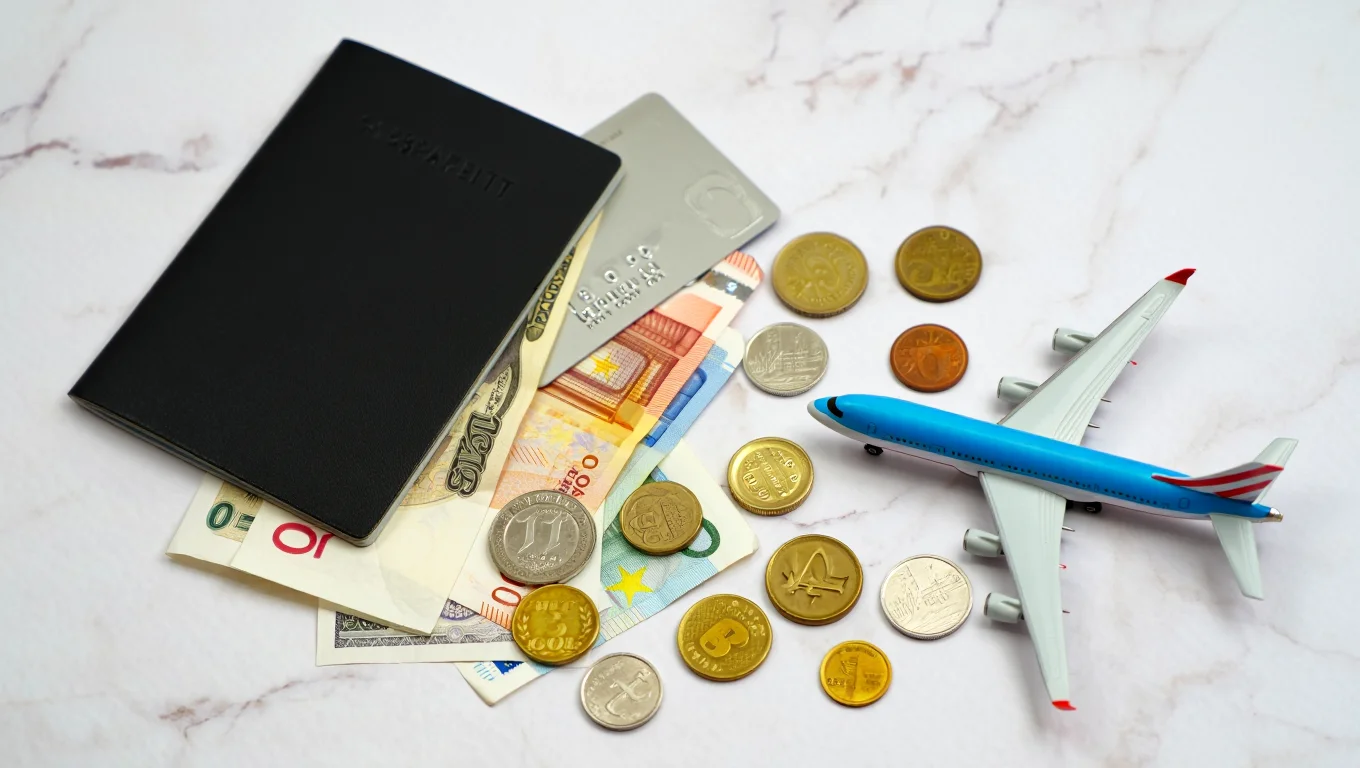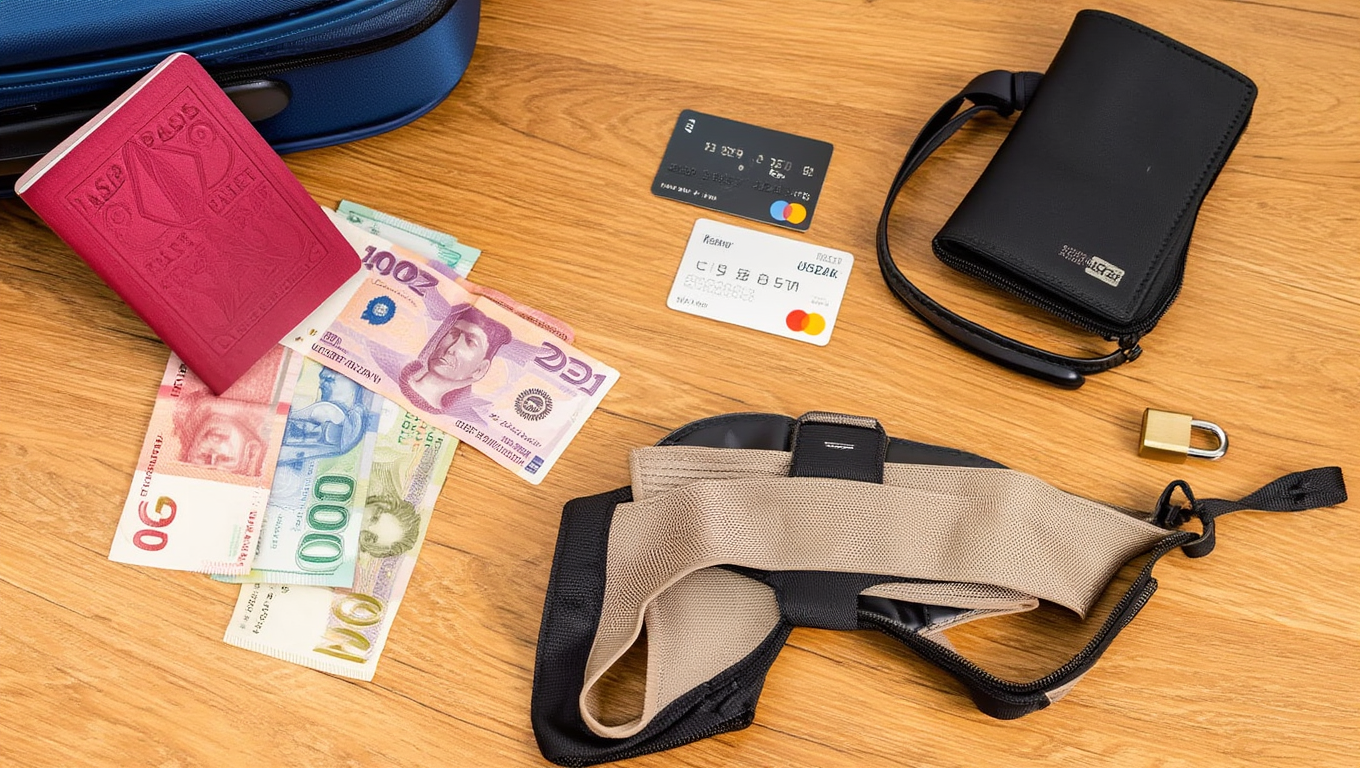
Traveling abroad can be thrilling; you get to explore new sights, cuisine, and experiences - but one thing all travellers are concerned with is keeping their money secure while travelling abroad. No matter if it is paid with cash, cards, or digital payment platforms, keeping it safe will ensure a more relaxing trip abroad and help protect against scams, emergencies, and give confidence on any trip abroad. In this guide, we provide several strategies for keeping money safe on trips abroad while having fun on trips that matter with ease!
1. Plan Your Money Before You Leave
Good money safety starts before you even set foot on the plane. These pre-travel steps help you be prepared — and avoid problems once you’re away from home.
Exchange Some Local Currency in Advance
Having some cash on hand when you arrive can help you get through the first few hours. You can use it for taxis, snacks, tips, and small purchases. Look up the average prices at your destination to get an idea of how much you might need.
It’s also smart to arrange your foreign currency exchange before departure through a trusted and reliable source, so you avoid high airport rates or last-minute stress.
Notify Your Bank and Card Providers
If you suddenly show up in a new place, banks will often stop international transactions. Notify your bank and card issuers in advance about when and where you plan to travel, to prevent their cards from getting frozen during your absence. Also, consider writing down their emergency phone numbers in case assistance is needed more easily.
Check Exchange Rules and Limits
There are rules in different countries about how much foreign cash you can bring in without telling anyone. By thoroughly checking this in advance, you'll avoid any hiccups at customs.
Scan and Save Important Documents
Before you leave, make sure to scan your passport, travel insurance, and credit card information. Store digital copies in a safe online folder. If something gets lost or stolen, having these copies can speed up replacements or insurance claims.
2. Decide What to Take: Cash, Cards, or Both?
Choosing how to carry your money is one of the most important security decisions you’ll make. Each method has advantages — and risks — so the best approach is usually mixing them.
Take Some Cash
Cash is useful in places that don’t accept cards — local markets, small shops, street food stalls, tips for service workers, and remote areas. Cash can easily be misplaced or even stolen, so do not carry around too much at once.
Tips for carrying cash safely:
- Just bring what you need for the day.
- Split your cash — keep some in your wallet and some hidden in a secure place.
Carry Credit and Debit Cards
Cards are safer than cash in many ways: you can cancel them if lost or stolen, and many offer fraud protection. Use cards for larger purchases like hotels, flights, meals, and shopping.
Card safety tips:
- Only carry a couple of cards you plan to use.
- Know your card PINs, but don’t write them down.
- Avoid writing your PIN on your card or storing it next to it.
Consider Prepaid Travel Cards
Prepaid travel cards let you load money in advance and often avoid the fees that banks charge for international transactions. Many travellers choose them through a trusted travel money provider to manage spending more securely. If lost, they can usually be frozen and replaced quickly.
3. How to Carry Your Money Safely While Traveling
Once you've decided what to take with them, how you wear or store their money is equally as important. Just a few simple habits could prevent thieves from easily accessing them.
Use a Money Belt or Hidden Pouch
Money belts or neck wallets worn under your clothes are a great way to keep valuable cash, cards, and even your passport hidden from pickpockets. Some also include RFID blocking to protect contactless cards from digital scanning.
Split Your Cash and Cards
Don’t keep all your money and cards in one place. Put some in your bag, some in your luggage, and only what you need for the day in your wallet. That way, you can still get to your backups if your main wallet is lost or stolen.
Use Your Hotel Safe
Many hotels have safes in the room or at reception. Keep extra cash, cards you won’t use daily, and valuable documents in the safe to reduce risk.
Be Careful in Busy Areas
Pickpockets work in crowded places — tourist sites, markets, public transport, bus stations, or busy streets. In these zones:
- Wear bags across your body, not on one shoulder.
- Keep wallets in inner pockets.
- Don’t leave bags unattended.
4. Avoid Scams and Theft
If you know the tricks that thieves use, your money will be much safer. Recognising a threat early gives you the upper hand.
Watch Out for Pickpockets
Tourists are often the victims of scams and pickpocketing. Thieves can work together or use distractions to steal wallets from bags and pockets. Always be on the lookout, especially in busy areas.
Be Cautious With ATMs
When you withdraw cash:
- Use ATMs that are inside banks or in well-lit areas.
- When you type in your PIN, cover your hand so no one can see it.
- Don't take help from people you don't know.
Avoid Sharing Card Info Over Public Wi-Fi
Hackers may be able to see or hack into public Wi-Fi networks. Use your phone's data or a VPN connection to check your bank accounts online.
5. What to Do If Money or Cards Are Lost or Stolen
Even if you take every precaution, travel can sometimes still go wrong. Having a plan means you’ll handle bad situations quickly and with less stress.
Report It Immediately
If a card is lost or stolen:
- Contact your bank or card provider right away to block the card.
- Ask for emergency replacements if possible.
File a Police Report
Rather, contact the police and obtain a written record. This helps with insurance claims, and your provider may need it.
Use Insurance
Travel insurance usually covers theft or loss, such as money, cards, passports, and other important papers. Before you leave, read your policy and make sure you know how to file a claim.
6. Extra Tips to Travel Stress-Free
Making smart money decisions abroad doesn’t stop with safety. These tips will help you have fun on your trip without worrying about money or safety.
Track Your Daily Spending
To avoid running out of money too soon, keep track of your daily budget. Knowing how much you spent will help you plan the rest of your trip.
For more official travel money guidance, travellers can also check trusted financial advice for travellers from government-backed sources.
Check Alternative Payment Options
Some digital wallets, like Apple Pay or Google Pay, make things safer. If your phone is stolen, these systems may require biometric IDs like fingerprints to pay.
Don’t Carry Excess Cash for No Reason
Only take what you think you might need for a day or two. Carrying a lot of cash makes you more likely to be a target and puts you at risk.
Final Thoughts
It doesn't have to be hard to keep your money safe while travelling abroad. You can keep your money safe and your peace of mind by making smart choices about cash and cards before you leave, choosing a reliable travel money provider, and handling your foreign currency exchange carefully.
If you follow these helpful tips, you won't have to worry about losing money or being scammed while you're on vacation. Travel with confidence, travel safely, and make memories that will last a lifetime.