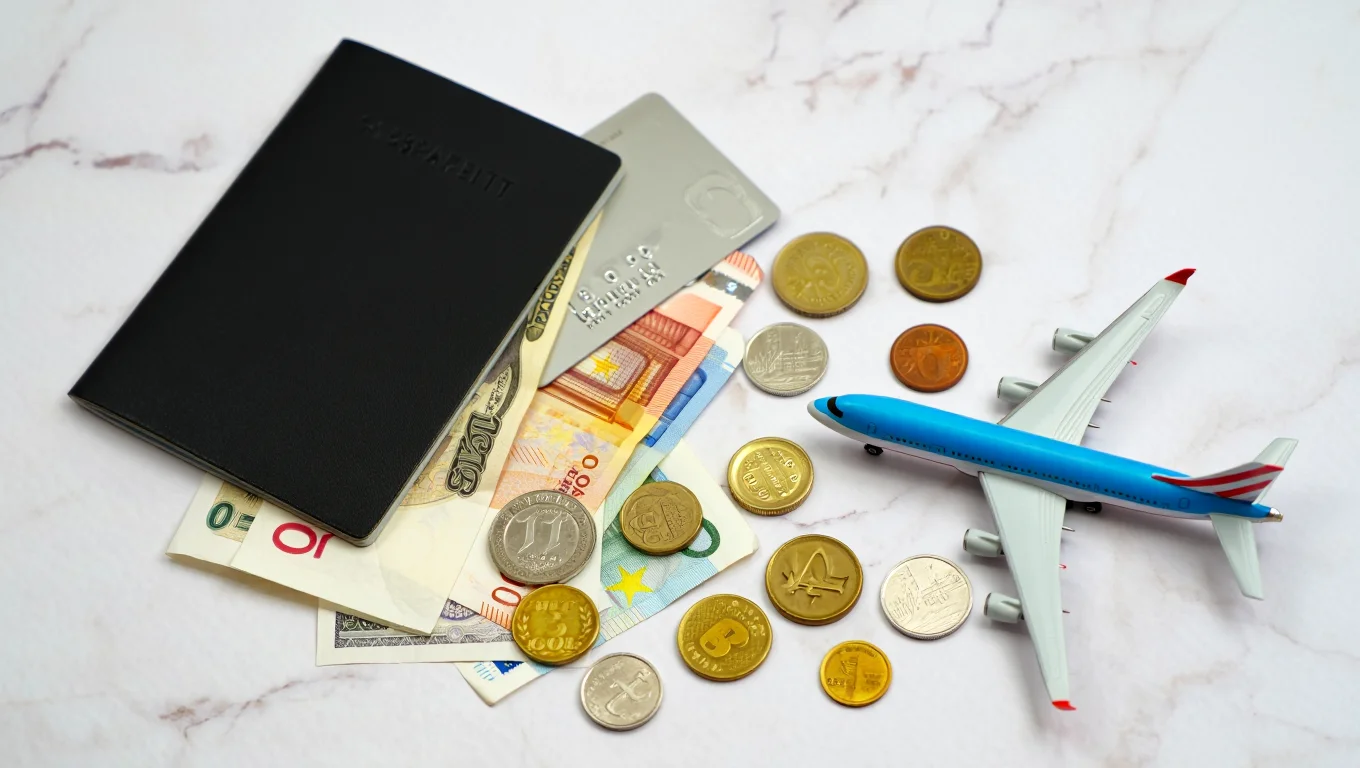
Travelling internationally is exciting, but managing your money properly is one of the most important parts of a successful trip. While cards and digital payments are popular, cash is still essential in many situations. Small shops, taxis, markets, and rural areas often accept only cash. That is why understanding the Guide to travelling with cash is important for every traveler.
Carrying cash helps you avoid card fees, gives you flexibility, and ensures you are prepared for emergencies. However, you must also understand safety rules, legal limits, and smart money strategies. This complete guide explains everything you need to know about travelling with cash safely and confidently.
Why Travelling with Cash Is Still Important
Even in today’s digital world, cash remains a reliable payment method when travelling abroad. There are several reasons why carrying cash is necessary.
First, many small businesses do not accept cards, especially in local markets or remote areas. Cash is often the only payment option in these places.
Second, cash helps you avoid foreign transaction fees. Banks and card providers may charge extra fees for international payments.
Third, cash is useful in emergencies. If your card stops working, gets blocked, or your phone battery dies, cash ensures you can still pay for transport, food, or accommodation.
Finally, cash helps you control your budget better. When you use cash, you can see exactly how much money you are spending each day.
For these reasons, cash should always be part of your travel money strategy.
How Much Cash Should You Travel With?
One of the most common questions travelers ask is how much cash they should carry. The answer depends on your destination, travel style, and trip duration.
Here are some important factors to consider:
1. Daily Expenses
Research your destination to understand average daily costs. Consider expenses like:
- Food
- Local transport
- Tips
- Entry tickets
- Small purchases
For example, if your daily cost is $50 and your trip is 7 days, you may need around $350 in cash.
2. Type of Destination
Cash needs vary depending on where you travel.
- Developed cities: Cards are widely accepted, so less cash is needed.
- Developing countries: Cash is more common, so you may need more.
- Rural areas: Cash is essential because card payments may not be available.
3. Backup Emergency Cash
Always carry extra cash for emergencies. This amount can cover unexpected situations such as medical expenses, transport delays, or card problems.
A good rule is to carry enough cash for 2 to 3 days of expenses as emergency backup.
Legal Cash Limits When Travelling Internationally
Many countries have legal limits on how much cash you can carry without declaring it. Understanding these rules is very important.
If you carry more than the allowed limit and do not declare it, authorities may seize your money or fine you.
Common Cash Declaration Limits
Most countries require declaration if you carry:
- $10,000 USD or equivalent
- €10,000 EUR or equivalent
- Or similar amount in other currencies
This limit applies to both entering and leaving a country.
Important Things to Know
You must declare cash if:
- The amount exceeds the legal limit
- You are carrying cash for business purposes
- The total cash of your travel group exceeds the limit
Authorities may ask about:
- Source of money
- Purpose of money
- Travel details
Always check the customs rules of your destination country before travelling.
Best Time to Exchange Your Travel Money
It is always smart to order travel money online before your trip to avoid poor airport exchange rates.
Exchange Money Before You Travel
Exchanging money before your trip gives you better control and avoids airport exchange fees. Airport exchange counters often have poor rates and high fees.
Compare Exchange Rates
Always compare rates from:
- Banks
- Currency exchange offices
- Online travel money providers
This helps you get the best value.
Avoid Exchanging Too Much at Once
Exchange enough for initial expenses, and withdraw more later if needed. This reduces the risk of carrying too much cash.
Smart Budget Planning for Cash Travel
Proper planning ensures you have enough cash without carrying too much.
Create a Daily Budget
Divide your total travel budget into daily amounts. This helps you avoid overspending.
For example:
- Total cash: $700
- Travel duration: 7 days
- Daily budget: $100
This makes spending easier to manage.
Track Your Spending
Check your cash daily. This helps you stay within budget and avoid running out of money.
Separate Your Cash
Do not keep all your cash in one place. Divide it into:
- Wallet
- Bag
- Hotel safe
This reduces loss risk.
Safest Ways to Carry Cash While Travelling
Safety should always be your top priority when carrying cash abroad.
Here are the best safety strategies:
1. Use a Money Belt or Hidden Wallet
Money belts and hidden wallets protect your cash from pickpockets. These items stay under your clothes and are difficult to steal.
2. Avoid Carrying All Cash in Your Wallet
Carry only daily spending money in your wallet. Keep the rest in a safe place.
3. Use Hotel Safes
Store large amounts of cash in your hotel safe. This protects your money when you are not carrying it.
4. Split Your Cash
Divide your money into different locations such as:
- Wallet
- Backpack
- Suitcase
If one is stolen, you still have backup cash.
5. Avoid Showing Large Amounts in Public
Do not show large amounts of cash in crowded places. This makes you a target for thieves.
Where to Store Cash During Your Trip
Proper storage is important for cash safety.
Best Places to Store Cash
Safe places include:
- Hotel safe
- Hidden money belt
- Secure travel wallet
Avoid Risky Places
Do not store cash in:
- Back pockets
- Open bags
- Easily accessible pockets
These places are easy targets for thieves.
Should You Use Cash or Card While Travelling?
The best strategy is to use both cash and cards.
Use Cash For:
- Local markets
- Small restaurants
- Taxis
- Tips
Use Cards For:
- Hotels
- Large purchases
- Online bookings
This balanced approach reduces risk and increases convenience.
Common Mistakes to Avoid When Travelling with Cash
Avoiding mistakes helps protect your money.
Carrying Too Much Cash
Carrying large amounts increases risk of theft or loss.
Keeping All Cash in One Place
Always divide your money into different locations.
Not Checking Local Laws
Failing to declare cash can cause legal problems.
Exchanging Money at Airports
Airport exchange services often have poor rates.
Ignoring Emergency Backup
Always carry emergency cash.
What to Do If Your Cash Is Lost or Stolen
If your cash is stolen, act quickly.
Step 1: Stay Calm
Do not panic. Assess how much money is lost.
Step 2: Report the Theft
Report theft to local police. This helps with insurance claims.
Step 3: Use Backup Money
Use emergency cash stored separately.
Step 4: Contact Your Bank
Withdraw more money using your card if needed.
Step 5: Contact Travel Insurance
If insured, you may receive compensation.
Tips for Safe Cash Handling at Airports
Airports are common places for theft.
Follow these tips:
- Keep cash in secure wallet
- Do not display large amounts
- Stay alert in crowded areas
- Use secure bags
Always check customs rules before entering or leaving a country.
Benefits of Travelling with Cash
Cash offers several important advantages:
Better Budget Control
Cash helps track spending easily.
Accepted Everywhere
Cash works even where cards are not accepted.
No Technical Problems
Cash works without internet or electricity.
Faster Small Payments
Cash makes quick purchases easy.
Smart Travel Money Strategies
Follow these expert strategies for better money management:
Use Multiple Payment Methods
Carry cash, debit card, and credit card.
Withdraw Cash Safely
Use ATMs inside banks or secure locations.
Avoid Public Money Counting
Count money privately.
Keep Emergency Contact Numbers
Save bank and emergency contacts.
Final Checklist Before Travelling with Cash
Use this checklist to prepare:
- Research destination currency
- Check legal cash limits
- Exchange money in advance
- Divide cash into different locations
- Carry emergency backup
- Use secure wallets
- Store extra money safely
This preparation ensures safe and stress-free travel.
Conclusion
Understanding this Guide to travelling with cash helps you travel safely, avoid legal problems, and manage your money smartly. Cash remains essential for many travel situations, especially in local markets, taxis, and emergencies.
By planning your budget, understanding legal limits, and using safe storage methods, you can protect your money and enjoy your trip without stress.
The best approach is to carry enough cash for daily expenses, keep emergency backup, and combine cash with cards for maximum flexibility and safety.
Using a trusted travel money service ensures you get safe and reliable currency for your trip.