Introduction: Is Japan an Expensive Country to Visit?
Japan has long carried a reputation as one of the more expensive destinations in Asia. But here is the truth: Japan can be as affordable or as luxurious as you want it to be.
Whether you are a backpacker watching every yen or a luxury traveler looking for the finest ryokans and omakase dinners, Japan has options for everyone. The key is knowing where your money goes.
In this guide, we break down the complete cost of a trip to Japan in 2026, covering flights, accommodation, food, transport, and sightseeing. By the end, you will know exactly how much money you need for a Japan trip and how to make the most of every dollar you spend.
Average Cost of a Japan Vacation: Quick Summary
Before diving into the details, here is a quick overview of what different types of travelers typically spend per day in Japan:
Traveler Type | Estimated Daily Budget (USD) |
| Budget Traveler | $60 - $90 |
| Mid-Range Traveler | $150 - $250 |
| Luxury Traveler | $400 and above |
These figures cover accommodation, food, local transport, and activities. They do not include international flights.
1. International Flights to Japan
Flights are usually the biggest single expense of your Japan trip. The cost depends heavily on where you are flying from, when you book, and which airline you choose.
Average round-trip flight costs to Tokyo (Narita or Haneda):
- From the USA: $700 - $1,400
- From the UK: $600 - $1,200
- From Australia: $500 - $1,000
- From Southeast Asia: $150 - $400
Tips to save on flights:
- Book 3 to 6 months in advance for the best deals
- Avoid cherry blossom season (late March to April) and Golden Week (late April to early May) if you want lower fares
- Use flight comparison tools like Google Flights or Skyscanner and set price alerts
- Consider flying into Osaka (Kansai Airport) instead of Tokyo, as it can sometimes be cheaper
2. Accommodation Costs in Japan
Japan offers a wide range of places to stay, from budget hostels to traditional Japanese inns called ryokans.
Budget Accommodation
Hostels and capsule hotels are popular among budget travelers. Prices typically range from $20 to $45 per night. Capsule hotels are a uniquely Japanese experience and often include access to shared baths and lockers.
Mid-Range Hotels
Standard business hotels and guesthouses (called minshuku) cost between $80 and $180 per night. Brands like Dormy Inn, APA Hotel, and Toyoko Inn are reliable, clean, and widely available across Japan.
Luxury Hotels and Ryokans
High-end hotels in Tokyo or Kyoto can cost $250 to $600+ per night. A traditional ryokan, which often includes dinner and breakfast as well as access to an onsen (hot spring), typically ranges from $180 to $500 per person per night.
Pro tip: Staying slightly outside central areas or choosing smaller cities like Hiroshima or Kanazawa can significantly reduce your accommodation costs.
3. Food and Drink Costs in Japan
This is where Japan really surprises travelers in a good way. Eating in Japan does not have to be expensive at all.
Budget Eating ($10 - $20 per day)
Japan's convenience stores (konbini) such as 7-Eleven, Lawson, and FamilyMart are legendary. You can get a full, tasty meal for $3 to $6. Ramen shops, soba noodle restaurants, and gyudon (beef bowl) chains like Yoshinoya and Sukiya offer filling meals for $5 to $10.
Mid-Range Eating ($30 - $60 per day)
A sit-down sushi restaurant, izakaya (Japanese pub), or a tonkatsu meal typically costs between $15 and $30 per person. Japan's lunch sets (teishoku) offer excellent value, with a full meal often costing $8 to $15.
Luxury Dining ($100+ per day)
Kaiseki (multi-course Japanese cuisine) and omakase sushi can cost $80 to $300 or more per person. Japan has more Michelin-starred restaurants than any other country in the world, so if fine dining is your goal, you are in the right place.
Average daily food budget:
- Budget: $15 - $25
- Mid-range: $35 - $60
- Luxury: $100+
4. Transport Costs Within Japan
Getting around Japan is efficient and punctual, but it does come at a cost.
The Japan Rail Pass
The Japan Rail Pass (JR Pass) is one of the most discussed purchases for tourists. It gives unlimited travel on most JR trains including the famous Shinkansen (bullet trains).
2026 JR Pass prices (7-day pass):
- Ordinary: approximately $300 - $320
- Green Car (first class): approximately $420 - $450
The JR Pass is worth it if you plan to travel between multiple cities. For example, a single Tokyo to Kyoto Shinkansen ticket costs around $130 one way, so the math adds up quickly for multi-city itineraries.
Local Transport
Within cities, you will rely on the subway, buses, and sometimes taxis.
- Subway rides: $1.50 - $3 per trip
- IC cards (Suica or Pasmo): Rechargeable cards accepted on most trains and buses across Japan, and even at convenience stores
- Day passes: Many cities offer day passes for unlimited travel, usually costing $5 to $10
Taxis
Taxis in Japan are clean and reliable but expensive. A short ride can cost $8 to $15. Use them sparingly.
5. Sightseeing and Activities
Japan's attractions range from free to surprisingly affordable.
Free or low-cost attractions:
- Most temples and shrines (Fushimi Inari in Kyoto is free)
- Public parks and gardens
- Exploring neighborhoods like Shimokitazawa in Tokyo or Gion in Kyoto
Paid attractions and typical costs:
- Tokyo Skytree: $18 - $30 depending on deck
- Universal Studios Japan (Osaka): $70 - $90
- TeamLab digital art museums: $30 - $40
- Hiroshima Peace Memorial Museum: $1.50
- Most castles and temples: $4 - $10
Budget roughly $20 to $50 per day for activities on a mid-range trip.
Budget Examples: How Much Does a Japan Trip Cost in Total?
10-Day Budget Traveler (approx. $1,500 - $2,000 total excluding flights)
- Hostels and capsule hotels: $30/night x 10 = $300
- Food from konbini and cheap restaurants: $20/day x 10 = $200
- JR Pass (7-day): $310
- Local transport and IC card: $100
- Sightseeing: $150
- Miscellaneous (shopping, SIM card, etc.): $200
10-Day Mid-Range Traveler (approx. $3,500 - $4,500 total excluding flights)
- Mid-range hotels: $130/night x 10 = $1,300
- Mix of restaurant meals and convenience store food: $50/day x 10 = $500
- JR Pass (7-day): $310
- Local transport: $150
- Activities and sightseeing: $400
- Shopping and extras: $500
10-Day Luxury Traveler (approx. $8,000+ total excluding flights)
- Luxury hotels and one ryokan stay: $350/night average x 10 = $3,500
- Fine dining and omakase experiences: $150/day x 10 = $1,500
- Private transport and Green Car JR Pass: $500
- Exclusive experiences and high-end shopping: $1,500+
Cheap Ways to Travel Japan: Money-Saving Tips
Japan can be done on a budget if you plan smartly. Here are some practical tips:
- Travel during the off-season. January to February (excluding New Year) and June to mid-July (rainy season) are the cheapest times to visit.
- Eat at convenience stores and standing bars. You can eat very well for very little money.
- Use overnight buses. Night buses between Tokyo and Osaka cost around $25 to $50 and save you a night of accommodation.
- Buy a pocket Wi-Fi or SIM card at the airport. Staying connected is essential and much cheaper when arranged in advance.
- Take advantage of free temples and parks. Some of Japan's most iconic spots cost nothing to visit.
- Book accommodation early. Japan is a popular destination and good budget options fill up fast, especially in Tokyo and Kyoto.
FAQs: Japan Travel Costs
Is Japan expensive for tourists?
Japan is moderately priced compared to other top travel destinations. It is cheaper than Scandinavia or Switzerland, but more expensive than Southeast Asia. Budget travelers can manage comfortably on $70 to $90 per day.
How much money should I take to Japan for 2 weeks?
For a 14-day mid-range trip, budget roughly $4,500 to $6,000 excluding international flights. This covers hotels, meals, transport, and sightseeing.
Is the Japan Rail Pass worth it in 2026?
Yes, if you plan to travel between Tokyo, Kyoto, Osaka, and other major cities. A single Shinkansen round trip between Tokyo and Kyoto costs more than a 7-day JR Pass.
What currency does Japan use?
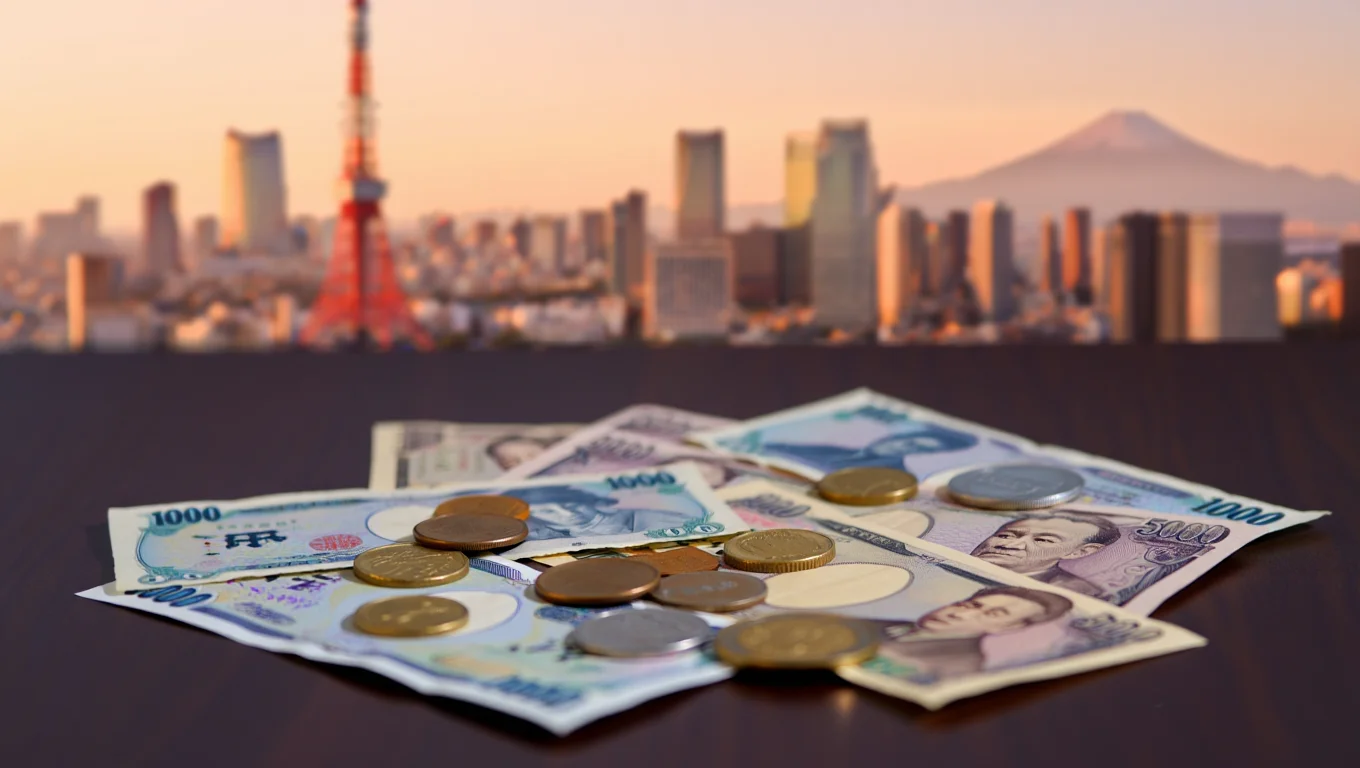
Japan uses the Japanese Yen (JPY). As of 2026, Japan remains a largely cash-based society, so always carry yen with you. UK travellers can buy Japanese Yen (JPY) before flying to avoid inflated airport exchange rates.
Can I visit Japan cheaply?
Absolutely. With hostel stays, konbini meals, free shrines, and budget transport, many travelers explore Japan for as little as $60 to $80 per day.
Conclusion: Plan Your Japan Trip with Confidence
So, how much does it cost to visit Japan? The honest answer is: it depends entirely on how you travel. A budget traveler can experience Japan for under $2,000 (excluding flights) over 10 days, while a luxury traveler might spend four times that amount.
What makes Japan so special is that it offers extraordinary value at every price point. The food is world-class even at the cheapest noodle shop. The culture and scenery are breathtaking whether you are staying in a capsule hotel or a five-star ryokan.
Start planning early, use the Japan travel cost breakdown in this guide, and you will be well prepared to make the most of your trip without any financial surprises.
Japan is waiting for you. Start saving, and go explore.