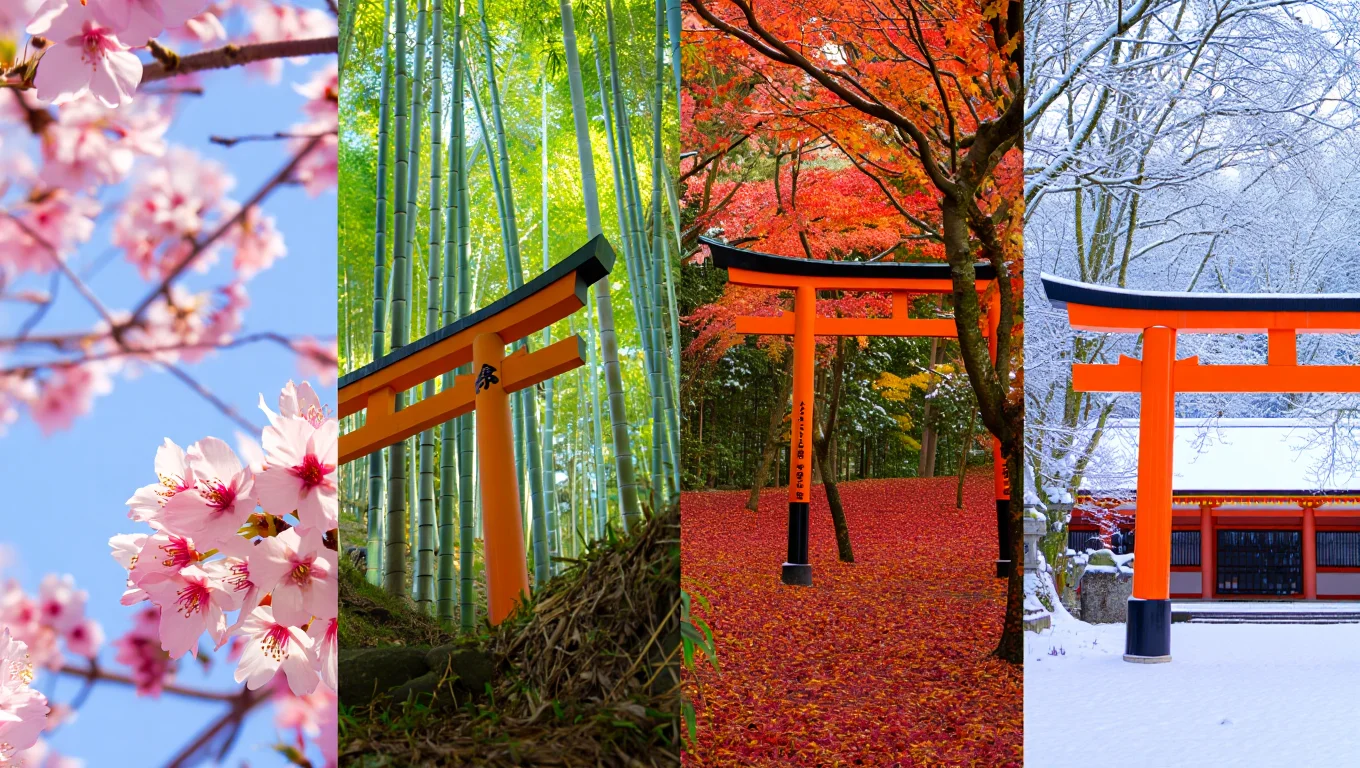
Japan is one of those rare countries that rewards you no matter when you visit. Every season brings something new — pale pink cherry blossoms in spring, lively summer festivals, fiery red foliage in autumn, and powdery ski slopes in winter. But if you want to make the most of your trip, timing really does matter. According to the Japan National Tourism Organization, Japan welcomes tens of millions of international visitors every year, drawn by its unique mix of tradition, nature, and modern culture.
The best time to visit Japan depends on what you want to do and where you plan to go. Japan stretches across a long chain of islands from the cold, snowy north to the warm, tropical south, which means weather and travel conditions can be completely different from one region to another at the same time of year.
In this guide, Travel Cashier walks you through every season, every month, and every reason to visit, so you can plan the perfect Japan trip with confidence.
Japan's Four Seasons at a Glance
Spring (March to May): The Most Popular Season
Spring is widely considered the ideal Japan travel month for most visitors, and it is easy to see why. The weather is mild and comfortable, the crowds are enthusiastic rather than overwhelming, and the entire country transforms into a sea of pink and white blossoms.
This is also peak travel season, so expect flights and hotels to be priced higher than usual, especially in late March and April. Book well in advance if you are planning a spring visit.
Best for: Cherry blossom viewing, sightseeing, mild weather, and festivals.
Summer (June to August): Festivals and Fireworks
Japan in summer is hot, humid, and full of energy. Temperatures regularly climb above 30 degrees Celsius in most of the country, and June marks the beginning of the rainy season, called tsuyu, which brings several weeks of high humidity and frequent showers.
Despite the heat and rain, summer is one of the most culturally rich times to visit. Japan's famous summer festivals, including Obon, Awa Odori, and spectacular fireworks shows called hanabi, draw huge crowds and offer an authentic window into Japanese life.
Typhoon season is also active between June and October, peaking in August and September. If you are visiting southern regions like Okinawa, keep a close eye on weather forecasts.
Best for: Festivals, beach holidays in Okinawa, and vibrant nightlife.
Autumn (September to November): A Photographer's Dream
Autumn in Japan is a close rival to spring for the title of the best month to visit Japan. As temperatures drop and the summer heat fades, Japan's forests and parks shift into brilliant shades of red, orange, and gold, a phenomenon known as koyo.
October and November are particularly stunning, with cooler and more comfortable temperatures ideal for long walks through national parks and temple gardens. Crowds increase in November as leaf-peeping, called momiji, draws domestic and international tourists alike.
Best for: Autumn foliage, hiking, cooler temperatures, and cultural festivals.
Winter (December to February): Snow, Skiing, and Serenity
If you are looking for the best time for skiing in Japan, winter is your answer. Japan is one of the best ski destinations in the world, and resorts in Hokkaido, particularly Niseko and Furano, receive some of the heaviest and driest powder snow on the planet. The ski season typically runs from December through to February or early March.
Winter is also off-peak for most of Japan's major cities, meaning fewer crowds at temples, lower accommodation prices, and a calm, unhurried atmosphere. Cities like Kyoto and Tokyo look beautiful, blanketed in frost and winter light.
Japanese New Year, called Oshogatsu, in early January, is a culturally significant holiday and draws large crowds to shrines and temples across the country.
Best for: Skiing, quiet city sightseeing, onsen visits, and winter festivals.
When Is Cherry Blossom Season in Japan?
This is one of the most searched travel questions in the world, and for good reason. Cherry blossom season, known as sakura, is a magical time in Japan, and knowing when cherry blossom season is can make or break your itinerary.
The answer depends on where you are in the country. In Tokyo and Kyoto, blossoms typically appear from late March to early April. In Osaka, the peak falls between late March and mid-April. Hiroshima follows a similar timeline to Tokyo, while Hokkaido in the north blooms much later, usually from late April to mid-May.
The Japan Meteorological Corporation releases annual sakura forecasts every winter, and it is worth checking these before you book. The blooms last only about one to two weeks, so timing your trip correctly is everything.
The most famous cherry blossom viewing spots include Ueno Park in Tokyo, Maruyama Park in Kyoto, and Hirosaki Castle Park in Aomori. Locals celebrate the season with hanami, which means flower-viewing picnics beneath the trees, a tradition you are more than welcome to join.
Best Time for Skiing in Japan
Japan has become one of the world's top ski destinations, attracting visitors from Australia, North America, and Europe for its world-class powder snow. The best time for skiing in Japan is between December and February, with January generally offering the most reliable and consistent snowfall.
Top ski resorts include the following options:
Niseko in Hokkaido is famous internationally for its deep, dry powder. Furano, also in Hokkaido, is quieter and great for families.
Hakuba in Nagano is one of the largest ski areas in Japan and sits within easy reach of Tokyo.
Nozawa Onsen in Nagano beautifully combines skiing with traditional onsen culture.
Most major resorts have English-speaking staff and facilities catered to international visitors. Lift passes, rental equipment, and lessons are all readily available.
Japan Weather Guide: What to Expect Each Month
Understanding the climate before you travel helps you pack the right clothes and plan the right activities. Here is what you can typically expect month by month in Tokyo, which serves as a useful weather reference for central Japan.
January sits around 5 degrees Celsius on average, with cold, dry, and clear days that are great for sightseeing.
February is similarly cold at around 6 degrees and is one of the best months for visiting onsen resorts.
March begins to warm up to around 10 degrees as the cherry blossoms start to appear.
April is one of the most pleasant months at around 15 degrees, with mild and sunny conditions marking peak season.
May brings warm and comfortable temperatures of around 20 degrees with lighter crowds outside of Golden Week.
June sees temperatures rise to around 23 degrees but the rainy season kicks in.
July climbs to around 28 degrees with heavy humidity and rainfall.
August is the hottest month at around 30 degrees and carries typhoon risk.
September gradually cools from around 26 degrees as autumn approaches, though typhoons are still possible.
October settles into a comfortable 20 degrees with autumn foliage beginning to appear.
November drops to around 14 degrees with crisp air and peak foliage across the country.
December brings cold temperatures of around 9 degrees, fewer tourists, and beautiful festive illuminations in the cities.
Month-by-Month Travel Recommendations
January is perfect for skiing in Hokkaido and visiting onsen resorts. Japanese New Year celebrations make early January lively and culturally rich.
February is a quiet and peaceful month, ideal for budget travellers. Onsen in Hakone with views of Mount Fuji are particularly popular at this time of year.
March sees cherry blossoms begin in southern cities. Spring energy starts to build and it is a great time to visit Kyoto before the April rush.
April is peak cherry blossom season. Ueno Park, Philosopher's Path in Kyoto, and Hirosaki Castle are must-visits. Book everything well in advance.
May includes Golden Week from April 29 to May 5, which brings heavy domestic travel. Outside of this window, May is one of the most pleasant months to explore Japan.
June marks the start of the rainy season, but hydrangea blooms are stunning. Great value on accommodation and fewer crowds at popular temples make it worth considering.
July is when summer festivals begin. Okinawa beaches are ideal this month as the rainy season clears here earlier than elsewhere in the country.
August brings Obon festivals, massive fireworks shows, and a buzzing atmosphere. Typhoon risk is real, so always check forecasts before and during your trip.
September sees crowds thin out as autumn approaches. Late September can be very pleasant, though typhoon risk continues into the early part of the month.
October is one of the most underrated months to visit Japan. Comfortable temperatures, the first autumn colours, and harvest festivals make it a wonderful time to travel.
November is peak autumn foliage season. Kyoto's Arashiyama and Tokyo's Shinjuku Gyoen National Garden are breathtaking this month and well worth prioritising.
December is quiet and atmospheric. The early ski season opens in Hokkaido and cities across Japan sparkle with festive illuminations.
Japan Festivals and Events to Know
Japan has festivals year-round that are worth planning your trip around.
Setsubun takes place in February and involves a bean-throwing ritual to ward off evil spirits, celebrated at shrines and temples across the country.
Hanami gatherings happen from late March through April as people picnic beneath cherry blossom trees.
Kanda Matsuri, held in May on odd-numbered years, is one of Tokyo's greatest and most historic festivals.
Tanabata falls on July 7 and is known as the Star Festival, with streets decorated in colourful streamers and handwritten wishes.
The Obon and Awa Odori festivals in August celebrate ancestral traditions through food, dancing, and community gatherings.
The Nihonmatsu Lantern Festival in October is the largest lantern event in Japan and a truly spectacular sight.
The Sapporo Snow Festival in February showcases enormous and elaborately carved ice sculptures across Hokkaido's capital city.
Frequently Asked Questions
What is the overall best time to visit Japan?
Spring from late March to early May and autumn from October to November are generally considered the best seasons for most visitors. The weather is comfortable, the scenery is stunning, and there is plenty to see and do.
When is cherry blossom season in Japan?
Cherry blossoms typically bloom from late March to early May depending on the region. Tokyo and Kyoto usually peak in late March to early April, while northern Hokkaido blooms as late as May.
What is the best month to visit Japan for good weather?
April, May, October, and November offer the most pleasant weather. These months sit between the extremes of summer heat and winter cold, with low rainfall outside of the rainy season.
Is Japan worth visiting in winter?
Absolutely. Winter in Japan is excellent for skiing, onsen culture, and quiet city sightseeing. It is also the most affordable season in terms of accommodation and flights, making it a great option for budget-conscious travellers.
When should I avoid visiting Japan?
June and July can be uncomfortable due to the heat and humidity of the rainy season. August carries typhoon risk and tends to be expensive. Golden Week from late April to early May brings significant domestic crowds that can make travel logistics more challenging.
Is Japan expensive to visit?
Japan can suit a range of budgets. Budget travellers can get by on around 5,000 to 8,000 yen per day, while mid-range travellers might spend between 12,000 and 20,000 yen per day including meals, transport, and entry fees. Before your trip, it is worth checking the latest exchange rates so you know exactly how much you are getting for your pounds.
Conclusion: Plan Your Japan Trip and Get Your Yen Ready
Japan is one of the most rewarding destinations in the world, whether you are chasing cherry blossoms in spring, hunting powder snow in winter, or soaking up autumn foliage in November. The best time to visit Japan is whenever it aligns with what you want to experience most.
Spring and autumn tend to be universally loved, while winter is perfect for ski lovers and summer is a festival paradise for the adventurous traveller.
Whatever month you choose, one thing is certain: you will need Japanese Yen for your trip. Cash is still essential in Japan, from temple entry donations to vending machines, street food stalls, and traditional inns. Many smaller businesses and rural areas do not accept cards at all.
Want to make sure you are getting a fair deal on your currency? You can compare rates easily before you buy.
Buy Japanese Yen at Travel Cashier before you fly. Get a great exchange rate, have your currency ready in hand, and arrive in Japan prepared for every experience the country has to offer.
Start planning your dream Japan trip today and let Travel Cashier take care of your currency needs.